Ingredients
Sponge
Cream and syrup
Method
Sponge
- Preheat the oven to 160 C (140 C fan-forced). Prepare a 9 inch springform pan, leave ungreased and unlined.
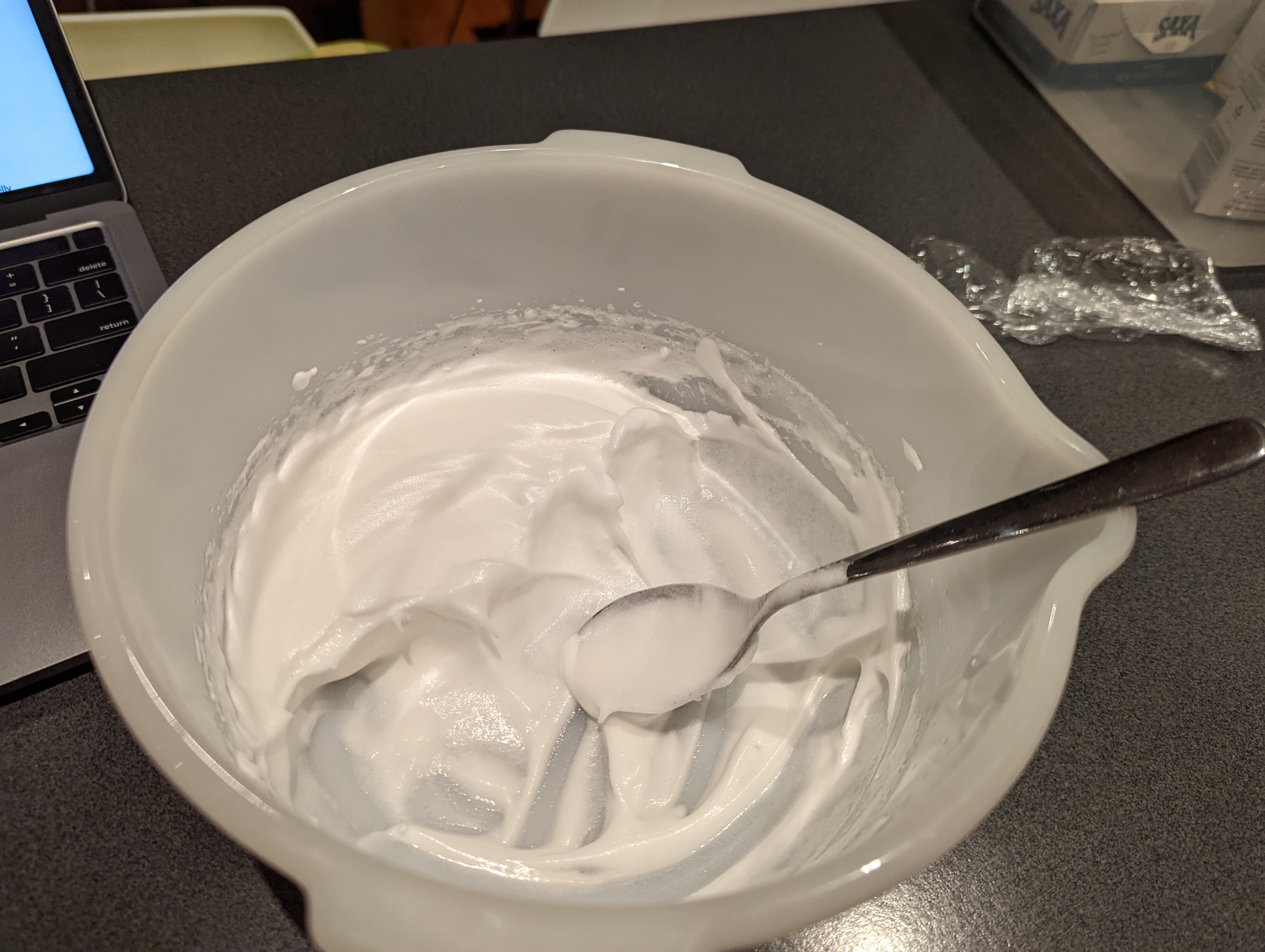
- In a medium bowl, combine the egg whites, half of the sugar, salt, and cream of tartar. Beat the mixture with a hand mixer fitted with the beaters on medium-low speed until the mixture looks frothy, then start to slowly increase the speed to medium-high. Continue to beat the egg whites until you have a dense, voluminous, glossy foam that forms stiff peaks, about 4 minutes. When you lift the beaters out of the bowl, the egg whites should come to a straight point that doesn’t droop. Don’t beat beyond this point, or the whites will become dry and lumpy. Set the bowl aside.
- In a separate wide bowl, combine the egg yolks and the remaining sugar. Beat with the hand mixer (no need to wash it after you beat the egg whites) on medium-high until the mixture is very pale and fluffy and forms a slowly dissolving ribbon as it falls off the beaters back into the bowl, about 4 minutes. Slowly stream in the 1/4 cup oil, beating constantly to ensure it emulsifies into the yolk mixture, until you have a smooth, light mixture that looks like mayonnaise.
- Reduce the mixer to the lowest speed, add half of the flour and mix just until incorporated. Add the vanilla extract and 1 tablespoon water, mix until incorporated, then add the remaining flour and mix just until it disappears. The mixture will have thickened and look a bit like cake batter.
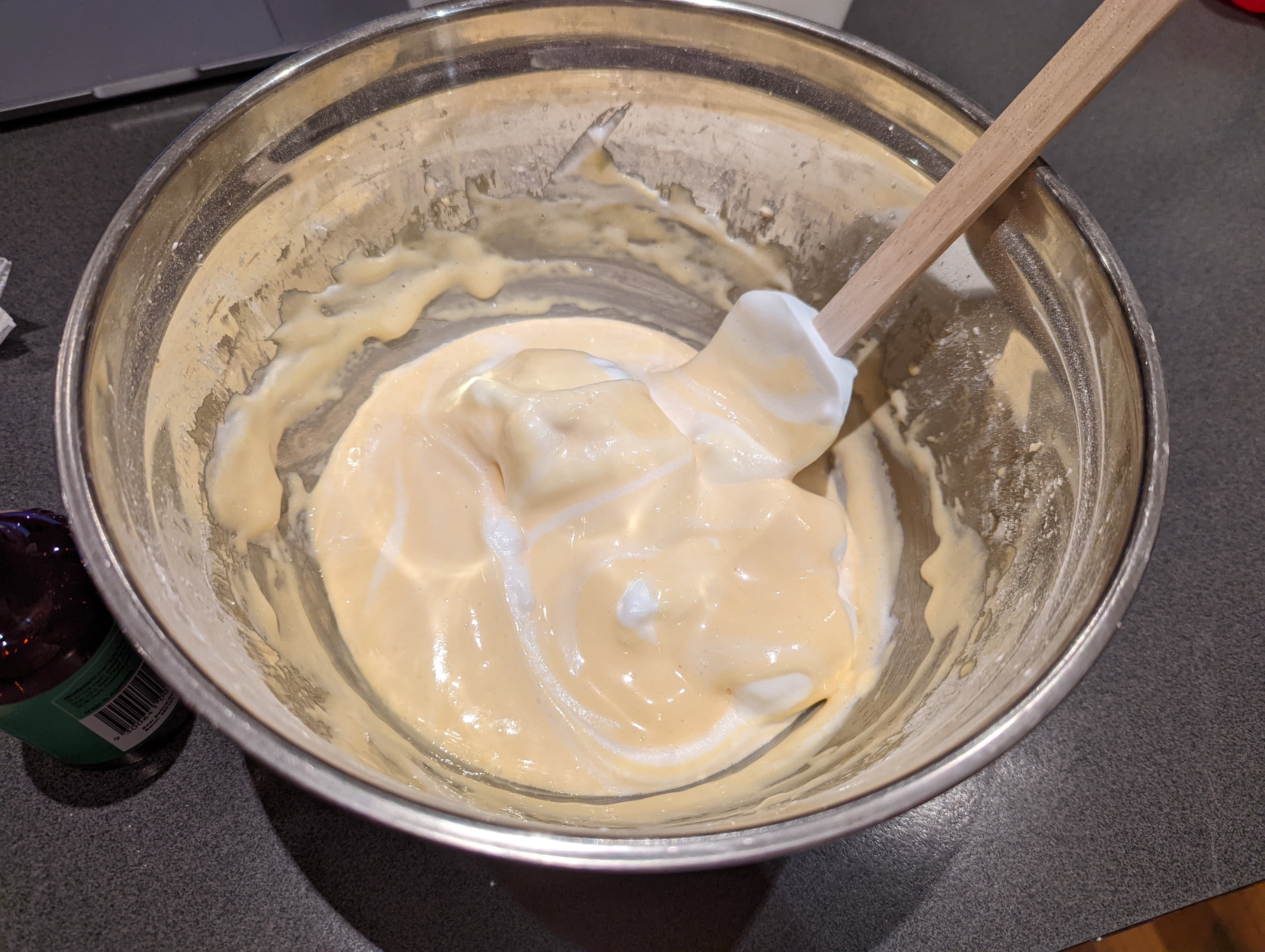
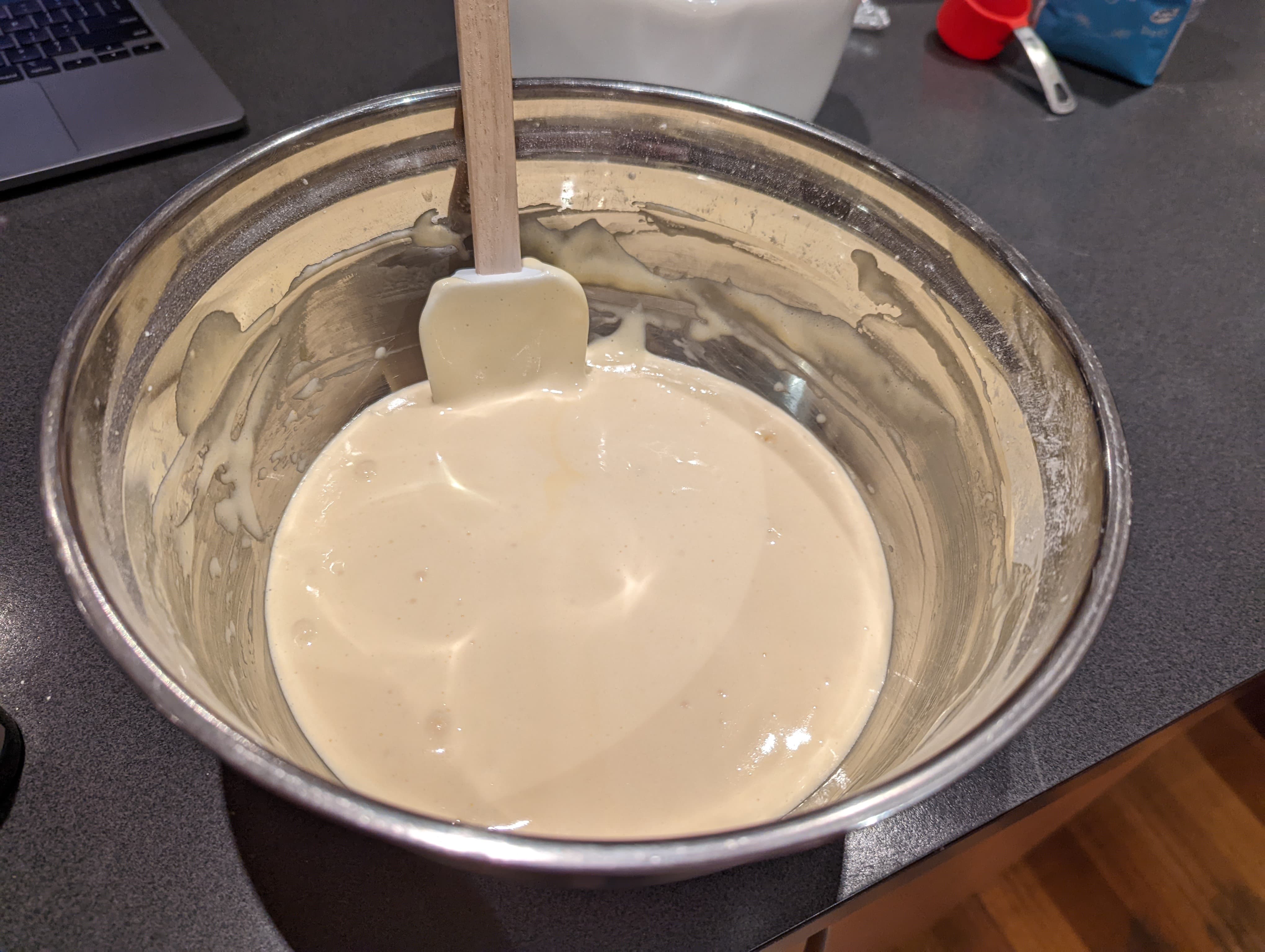
- Fold the yolk mixture once or twice with a large flexible spatula to make sure it’s evenly mixed, then scrape about a third of the egg white mixture into the yolk mixture and thoroughly fold in the whites until the mixture is loosened. Working more gently, fold in half of the remaining egg whites until only a few streaks remain. Fold in the remaining whites, scraping the bottom and sides of the bowl, until you have a light, smooth, evenly mixed batter.
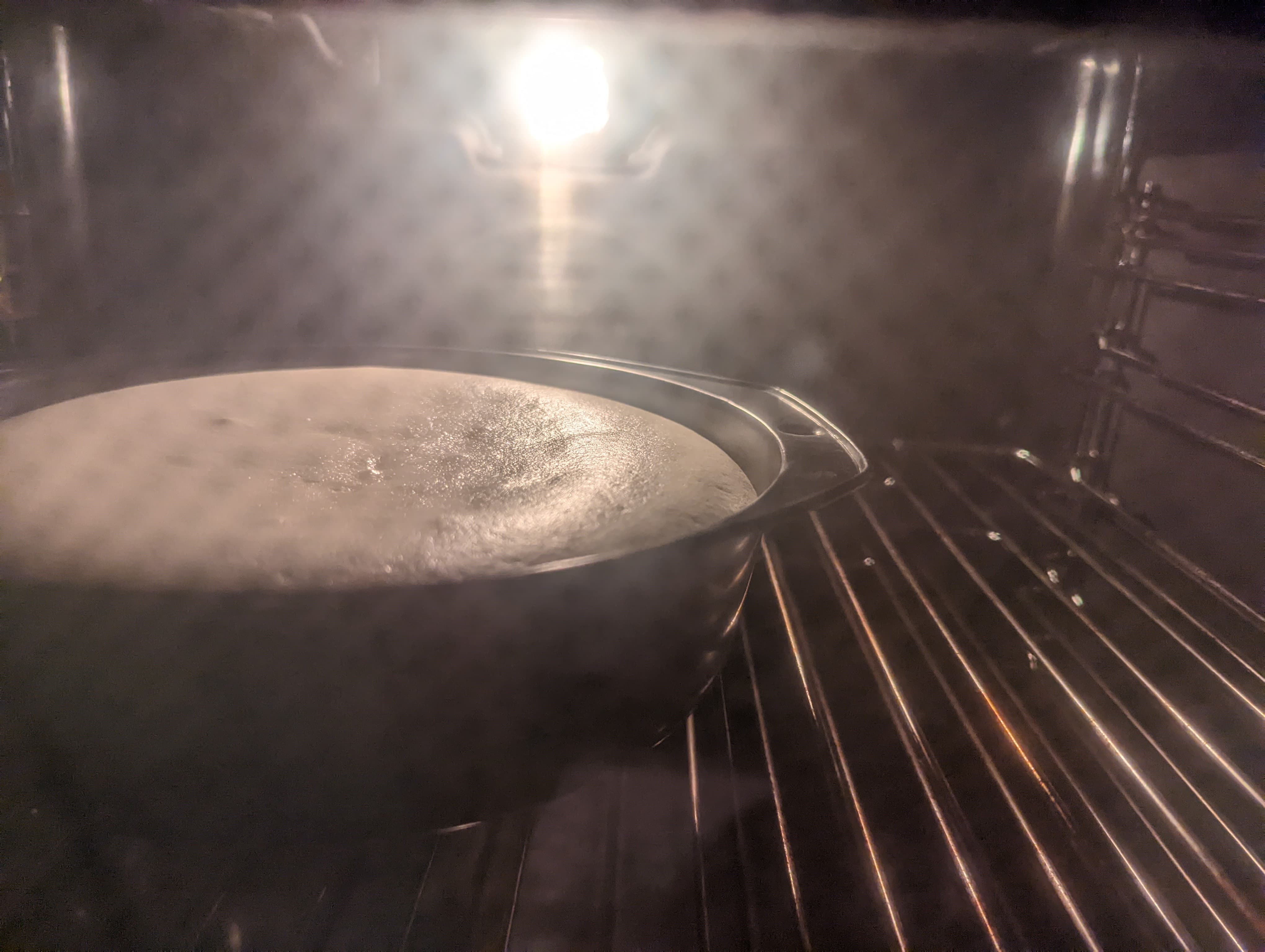
- Scrape the batter into the pan and smooth into an even layer. Firmly rap the pan on the surface once or twice to pop any large air bubbles. Bake the cake until it’s golden brown, firm and springy to the touch across the entire surface, 30 to 35 minutes. Remove the cake from the oven and immediately invert the pan onto a wire rack. Let the cake cool completely upside down to prevent it from collapsing.
- Reinvert the cooled pan and cut along the sides with a small offset spatula or paring knife to loosen the cake. It will sink a bit, which is normal. Remove the ring of the springform pan, invert the cake onto the rack, and carefully peel off the bottom of the pan (it should come away cleanly, leaving behind just a thin film).
Cream and syrup
- Fill a small saucepan with about 1 inch of water and set over medium heat until the water steams.
- Meanwhile, coarsely chop about a quarter of the strawberries and combine in a medium heatproof bowl with the sugar. Cover the bowl tightly and set it over the saucepan. Reduce the heat if necessary to keep the water just below a simmer and allow the berries to sit, swirling the bowl once or twice to dissolve any stubborn sugar clumps, until they’ve released all their juices, are mushy, and swim in a translucent red liquid, 35 to 45 minutes. Remove the bowl from the heat, uncover and strain through a fine-mesh strainer. (You should have 1/2 to 3/4 cup of strawberry syrup.)
- In a separate medium bowl, combine the thickened cream, creme fraiche and salt. Beat with a hand mixer on medium-high, until thick, light and holding a medium peak. Chill the bowl of whipped cream. Thinly slice the remaining raw strawberries lengthwise.
- Invert the sponge cake on a flat serving plate or cake stand. Holding a long serrated knife horizontally and parallel to the work surface, use it to lightly score all around the side of the cake at the midway point. Then, using long, even strokes and still holding the knife parallel to the surface, slice clean through the cake, using the score marks as a guide, to cut it into two even layers. Set the top layer aside.
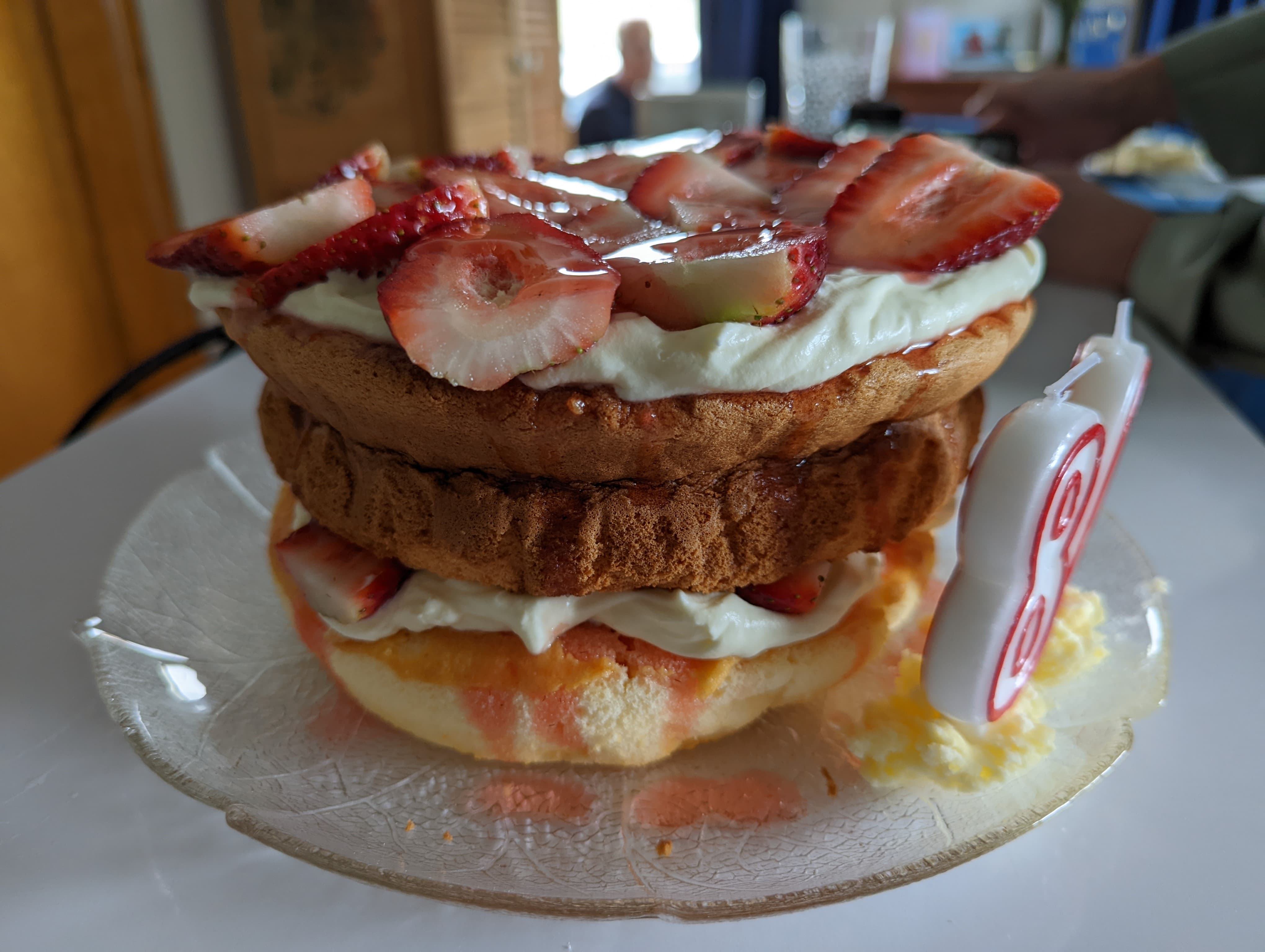
- Use a pastry brush to dab several tablespoons of the strawberry syrup across the bottom layer, lightly soaking the entire surface. Pull the bowl of cream from the refrigerator and dollop about half of it across the soaked layer, then spread in an even layer all the way to the edges. Arrange half of the sliced strawberries on top of the cream, then place the second cake layer on top of the first, cut side up. Lightly soak the top layer of cake with the strawberry syrup, reserving any remaining syrup for serving. Spread the remaining cream on top of the cake, then pile the remaining sliced strawberries over top. (If not serving immediately, cover loosely and refrigerate until ready to serve.)
- Slice the cake with a serrated knife and serve. Drizzle the slices with any remaining strawberry syrup. The cake is best served the day it’s made, but will keep, covered and chilled, for up to 3 days.
Notes
- To make the sponge gluten free, substitute both plain flour and cornflour for 85g of gluten free flour.
- By leaving the pan ungreased and unlined, the cake will stick to the sides and allow the pan to be inverted while cooling without the cake falling out, preventing it from sinking while cooling.
- It’s important that the eggs are room temperature when beating, however they are easiest to separate while cold. It’s recommended that you first separate the eggs while cold then allow them to sit out covered for several hours.
- Try to avoid beating the egg whites until stiff peaks form, as this will make it difficult to fold into the yolk mixture later.
- The sponge can be made a day in advance and will keep for several days, but will become sticky after 1 day.
- You can reserved the mushy strawberries from the syrup for pancakes or on yoghurt.
Images